

Shankesh Jewellers IPO is a book-built issue of ₹367.18 crores, comprising a fresh issue of 2.95 crore shares worth ₹274.18 crores and an offer for sale of 1.00 crore shares aggregating to ₹93.00 crores. The IPO will open for subscription on Aug 18, 2026, and close on Aug 20, 2026. The allotment is expected to be finalized on Aug 21, 2026, with the shares scheduled to list on NSE and BSE on Aug 25, 2026.
The price band has been fixed at ₹88 to ₹93 per share, with a lot size of 160 shares. Retail investors need to invest a minimum of ₹14,880 for one lot at the upper price band. Aryaman Financial Services Ltd. is the book running lead manager, while Kfin Technologies Ltd. is the registrar for the issue.
For detailed information on the company’s business, financials, risk factors, and the proposed utilisation of proceeds, investors should refer to the Shankesh Jewellers IPO Red Herring Prospectus (RHP) before making an investment decision.
Company Overview
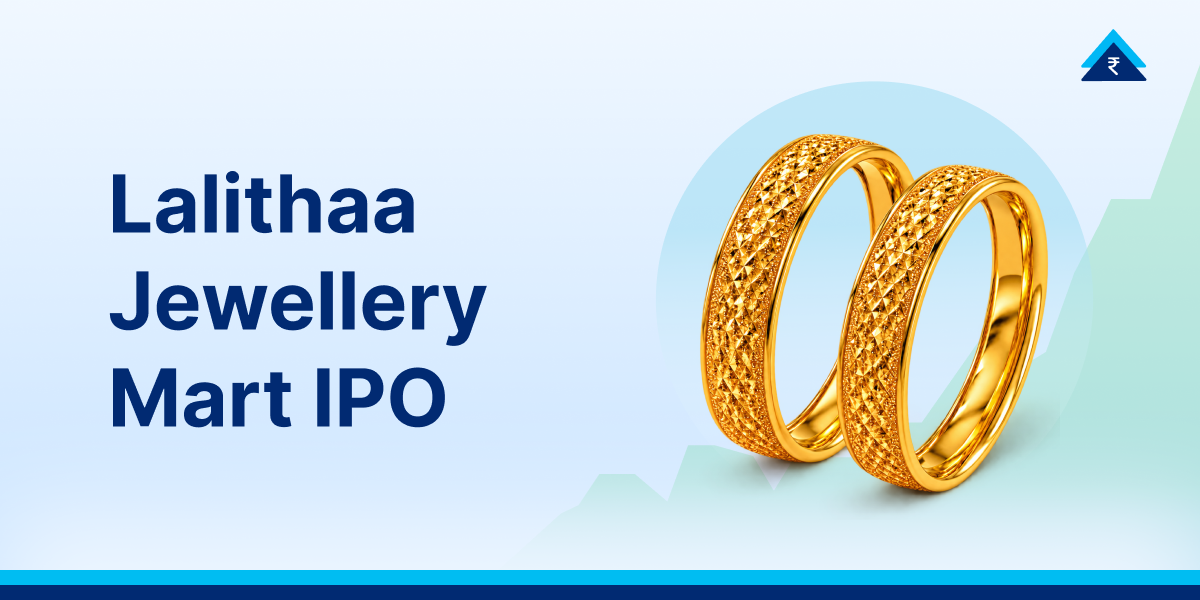
Established in 2005, Shankesh Jewellers Limited manufactures and supplies customised handcrafted gold jewellery, primarily in 22-karat and 18-karat gold. Its portfolio includes bangles, bridal jewellery, chokers, jhumkas, necklace sets, mangalsutras, rings, and combination sets in antique, semi-antique, Calcutta, temple, gheru polish, and yellow, rhodium, and rose gold finishes.
The company serves corporate and non-corporate clients across India, including established jewellery brands such as Joyalukkas India Limited, P. N. Gadgil & Sons Limited, Kalyan Jewellers India Limited, Novel Jewels Limited (Aditya Birla Group), and Manoj Vaibhav Gems ‘N’ Jewellers Limited.
Shankesh Jewellers follows an asset-light model, working with skilled karigars and jobworkers while managing design, material sourcing, and delivery in-house. It also provides customised job work using client-supplied bullion and designs. All jewellery is BIS-hallmarked in accordance with applicable regulations.
With over three decades of experience in handmade jewellery, the company has built relationships with leading jewellery brands through its focus on craftsmanship and customised solutions. As of May 31, 2026, it had 46 permanent employees and was associated with 72 jobworkers.
IPO Details
| Particulars | Details |
|---|---|
| IPO Date | 18 to 20 Aug, 2026 |
| Allotment | Fri, Aug 21, 2026 |
| Listing Date | Tue, Aug 25, 2026 |
| Face Value | ₹5 per share |
| Price Band | ₹88 to ₹93 per share |
| Lot Size | 160 Shares |
| Issue Type | Book Building IPO |
| Sale Type | Fresh capital cum OFS |
| Total Issue Size | 3,94,82,000 shares (agg. up to ₹367 Cr) |
| Fresh Issue | 2,94,82,000 shares (agg. up to ₹274 Cr) |
| Offer for Sale | 1,00,00,000 shares (agg. up to ₹93 Cr) |
| Shareholding Pre-Issue | 11,75,49,420 shares |
| Shareholding Post-Issue | 14,70,31,420 shares |
| Listing Exchange | BSE, NSE |
(Compiled from RHP and market updates)
Industry Context
- The global gems and jewellery market was valued at around USD 254 billion in CY25 and grew at a 5.5% CAGR during CY20–CY25. It is projected to reach USD 332 billion by CY30P, supported by rising incomes, changing fashion preferences, and demand for innovative designs.
- Gold demand is driven by jewellery, investment, technology, and central bank reserves. In Q1CY26, global gold demand declined about 9% year-on-year to 1,195.9 tonnes, while jewellery accounted for around 28% of total demand.
- India’s gems and jewellery sector contributes approximately 7% to GDP and 15% of merchandise exports. Gold jewellery remains the dominant segment, supported by strong cultural significance, skilled manufacturing capabilities, and India’s position as a leading diamond-cutting and polishing hub.
- The Indian jewellery industry is gradually shifting from unorganised to organised players, driven by GST, mandatory hallmarking, greater price transparency, and rising preference for branded jewellery. Organised players are gaining traction, particularly in metropolitan and Tier-I markets.
- The domestic gold jewellery market was valued at ₹7,907.7 billion in CY25, registering a 9.5% CAGR during CY20–CY25. Despite a 24% decline in volume demand due to higher gold prices, the market is projected to reach ₹13,575.8 billion by CY30P, growing at an 11.4% CAGR.
Business Strengths
- Consistent historical financial performance reflects operational stability, effective cost management, and the company’s ability to sustain growth across changing market conditions.
- The company’s asset-light structure, supported by long-standing relationships with local jobworkers, enables efficient production while limiting fixed infrastructure and operating costs.
- A broad range of handcrafted 22-karat and 18-karat gold jewellery helps the company address varied customer preferences and strengthen its market presence.
- Long-standing associations with corporate and non-corporate jewellery clients provide a stable customer base and support recurring business opportunities across different market segments.
- Experienced promoters and management, supported by established marketing capabilities and proven execution expertise, strengthen the company’s ability to expand its customer base.
Business Risks
- Reliance on local jobworkers for handcrafted jewellery manufacturing may expose the company to production delays, quality inconsistencies, labour availability issues, and challenges in maintaining timely deliveries.
- Dependence on established corporate and non-corporate jewellery clients may create revenue concentration risks if key customers reduce orders, change suppliers, or discontinue business relationships.
- Fluctuations in gold prices can affect input costs, product pricing, working capital requirements, and customer demand, potentially impacting margins and overall financial performance.
- The company operates in a competitive jewellery market where established brands and manufacturers may offer similar products, stronger distribution networks, or greater marketing capabilities.
- Continued business growth depends significantly on the experience, relationships, and execution capabilities of promoters and senior management, making succession and retention important operational considerations.
Financial Performance
Shankesh Jewellers – Financials (₹ in Million)
| Particulars | Fiscal 2026 | Fiscal 2025 | Fiscal 2024 |
|---|---|---|---|
| Revenue from Operations | 16,307.87 | 14,038.26 | 10,617.83 |
| EBITDA | 1,579.00 | 653.47 | 285.99 |
| EBITDA Margin (%) | 9.68% | 4.65% | 2.69% |
| Profit / (Loss) After Tax (PAT) | 1,066.81 | 403.12 | 128.16 |
| Return on Capital Employed (%) | 41.57% | 26.28% | 16.46% |
| Return on Equity (%) | 50.94% | 40.08% | 21.26% |
(Source: RHP)
Key Ratios & Metrics
| KPI | Mar 31, 2026 | Mar 31, 2025 |
|---|---|---|
| Return on Equity (ROE) | 50.94% | 40.08% |
| Return on Capital Employed (ROCE) | 41.57% | 26.28% |
| Debt-to-Equity Ratio | 0.80 | 1.44 |
| Return on Net Worth (RoNW) | 50.94% | 40.07% |
| PAT Margin | 6.54% | 2.87% |
| EBITDA Margin | 9.68% | 4.65% |
| Net Asset Value (NAV per share) | ₹17.82 | ₹8.58 |
(Source: RHP)
Objects of the Offer
- Repayment or pre-payment of existing borrowings, either fully or partially.
- Funding the company’s working capital requirements.
- Meeting general corporate needs and business expenses.
Conclusion
Shankesh Jewellers IPO provides an opportunity to participate in the growth of a company operating in India’s expanding jewellery market. Its asset-light business model, diversified handcrafted jewellery portfolio, established relationships with reputed jewellery brands, and experienced management team are key strengths.
The company’s focus on customised designs and long-term associations with jobworkers also supports its operating model. Overall, investors should evaluate the company’s business model, financial performance, industry outlook, competitive positioning, valuation, and risk factors in detail, and carefully review the Red Herring Prospectus (RHP) before making an informed investment decision.
Disclaimer: Investments in the securities market are subject to market risks. Read all the related documents carefully before investing. This content is purely for informational purposes only and should not be considered as investment advice or a recommendation. Securities quoted are for illustration purposes only and not recommendatory. Investors are requested to do their own due diligence before investing.
Paytm Money Ltd. SEBI Reg. No. Broking – INZ000240532; Depository Participant – IN – DP – 416 – 2019, Depository Participant Number: CDSL – 12088800. Trading and clearing member of NSE (90165, M52073), BSE (6707), MCX (57525), NCDEX (1315, M51110), and MSEI (85300). SEBI Reg. No. Research Analyst – INH000020086. Regd. Office: 136, 1st Floor, Devika Tower, Nehru Place, Delhi – 110019. For complete Terms & Conditions and Disclaimers visit: https://www.paytmmoney.com/stocks/policies/terms