



If you have ever dipped a toe into Exchange Traded Funds (ETFs), you have probably bumped into the term “market maker” and wondered what all the fuss is about. Who are these players, and why does the ETF world lean on them so heavily? Let us break it down in plain terms.
Market makers (MMs) are financial firms that keep ETFs ticking by standing ready to buy and sell ETF units whenever investors want to trade. In short, they provide liquidity. Thanks to them, you can enter or exit an ETF position with ease, and the ETF price tends to stay close to its fair value, known as the Net Asset Value (NAV). The happy result? You get to buy or sell at a price that hugs the NAV.
How Market Makers Provide Liquidity
Liquidity is simply how quickly you can turn an asset into cash near its fair value, and back again. Blue-chip stocks and G-Secs (government securities) enjoy high liquidity because buyers and sellers are always around. Some securities are trickier, as finding someone willing to trade in large quantities at any given moment is not always easy.
This is where market makers step in. They are prepared to buy or sell securities in whatever quantity investors ask for. By doing so, they boost ETF liquidity. Sellers gain the comfort of exiting their holdings without a hitch, while buyers can quickly build a sizeable position.
How Market Makers Help With Price Discovery
Market makers do more than add liquidity. They also nudge an ETF to trade closer to its NAV. Remember, an ETF’s market price swings with immediate demand and supply. These short-term wobbles can push the price above the NAV (a premium) or below it (a discount).
Market makers can help keep an ETF’s market price closer to the value of its underlying portfolio through trading and the creation and redemption mechanism. Suppose an ETF is trading at a premium, with the market price at ₹105 while its NAV is ₹100. The price difference can create an opportunity for market makers to use the ETF’s creation and redemption process, helping increase the supply of ETF units in the market and potentially bring the market price closer to its underlying value.
What SEBI’s Passive Funds Circular Changed
SEBI’s May 2022 circular, popularly called the ‘Circular on Development of Passive Funds‘, reshaped how large investors trade. Here is the key change:
| Aspect | Detail |
|---|---|
| Circular | Circular on Development of Passive Funds (May 2022) |
| Minimum ticket size for direct AMC dealings | Raised to ₹25 crores |
| Effective from | 1 May 2023 |
The threshold was introduced to enhance liquidity in ETF units on the stock exchange platform. Direct transactions with AMCs are facilitated for orders above ₹25 crore, while the threshold does not apply to market makers. That brings extra trading to the exchange, lifts liquidity and trading volumes, and ultimately trims costs for everyday investors.
Why Market Makers Matter in Financial Markets
Market makers can be financial institutions or other eligible market participants that provide liquidity by continuously quoting buy and sell prices. For ETFs, SEBI requires AMCs to appoint at least two market makers who are members of stock exchanges to provide continuous liquidity on the exchange platform.
How Market Makers Function
Each market maker quotes buy and sell prices for a fixed number of shares. When a buyer’s order arrives, the market maker sells shares straight from its own inventory to complete the trade.
A few rules keep them in line:
- They must provide two-way quotes, meaning both buy and sell prices, during the required market-making timeframe.
- They must guarantee execution at the quoted price and quantity for quotes they provide.
- The minimum timeframe for market making is 75% of the trading hours of a trading day.
- They are also required to be present among the best buy and sell quotes, such as the top five buy/sell orders or quotes, as specified in the framework.
- AMCs are required to collect information from stock exchanges on the market maker’s trading volume, execution prices and bid-ask spreads.
Even when markets turn choppy or volatile, market makers must stay disciplined so that transactions keep flowing smoothly.
Common Market Maker Strategies
Market makers may act like guardians of liquidity, but they are in it for profit. Here is how they earn:
| Strategy | How it works |
|---|---|
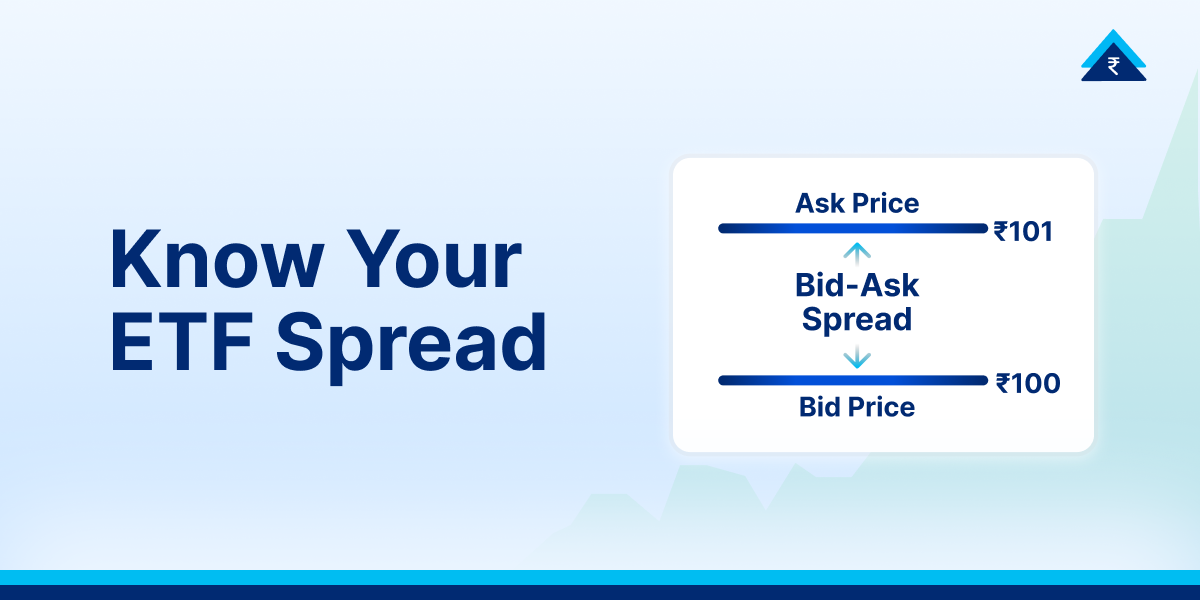
| Bid-ask spread | They buy at the lower bid price and sell at the higher ask price. The gap, multiplied across big trades, adds up to solid profits. |
| Inventory management | Market makers manage their holdings of ETF units and underlying securities so they can continue providing buy and sell quotes while managing their exposure. |
| Liquidity management | Market makers manage their quotes, trading activity and inventory to support liquidity while responding to market conditions. |
Market Maker Risks and Market Activity
Market makers have specific obligations under the regulatory framework, but unusual trading activity can still occur in financial markets. Importantly, unusual price or volume movements alone do not establish market manipulation.
Investors may come across practices such as spoofing, where orders are placed without an intention to execute, or other forms of prohibited market activity. These practices should not automatically be attributed to market makers. Investors should consider the wider trading context and available market information before drawing conclusions.
- Pump and dump schemes: inflating a stock’s price with false hype, then selling at the top and triggering a crash.
- Spoofing: placing orders without an intention to execute them, potentially creating a misleading impression of demand or supply.
Unusual price movements or sudden changes in trading volume can have several explanations, including changes in demand and supply, market conditions or new information. Such activity does not, by itself, confirm market manipulation. Investors should avoid drawing conclusions from price or volume movements alone.
Conclusion
Market makers are the quiet engine behind smooth ETF trading. They supply liquidity, anchor prices to the NAV, and make life easier for investors on both sides of a trade. Understanding how they work, and knowing how liquidity and ETF pricing mechanisms operate, can help you better understand ETF trading.
Disclaimer: Investments in the securities market are subject to market risks. Read all the related documents carefully before investing. This content is purely for informational purposes only and should not be considered as investment advice or a recommendation. Securities quoted are for illustration purposes only and not recommendatory. Investors are requested to do their own due diligence before investing.
Paytm Money Ltd. SEBI Reg. No. Broking – INZ000240532; Depository Participant – IN – DP – 416 – 2019, Depository Participant Number: CDSL – 12088800. Trading and clearing member of NSE (90165, M52073), BSE (6707), MCX (57525), NCDEX (1315, M51110), and MSEI (85300). SEBI Reg. No. Research Analyst – INH000020086. Regd. Office: 136, 1st Floor, Devika Tower, Nehru Place, Delhi – 110019. For complete Terms & Conditions and Disclaimers visit: https://www.paytmmoney.com/stocks/policies/terms