


Buying a slice of the world’s biggest companies once felt out of reach for the everyday Indian investor. Not any more. Today, with nothing more than a demat account, you can own ETFs that track Apple, Microsoft, Nvidia, Amazon, Alphabet and Meta. Sounds brilliant, doesn’t it? And for the most part, it truly is.
But here is the catch that quietly trips up so many people. The price flashing on your NSE screen may not reflect what the ETF is actually worth. When it comes to International ETFs in India, that small gap can slowly eat into your returns. Let us walk through why it happens, and how you can sidestep it.
What Is i-NAV?
Before we get to the risk, one term deserves your full attention: i-NAV, short for Indicative Net Asset Value. Think of i-NAV as the estimated fair value of an ETF at any moment during the trading day. It is worked out using three ingredients:
- The underlying value of the international stocks the ETF holds
- The live USD/INR exchange rate
- Fund expenses and adjustments
In plain terms, i-NAV tells you what one unit of the ETF is genuinely worth right now. The market price, by contrast, is set by whoever happens to be buying and selling on the exchange. Most of the time the two sit close together. Occasionally they drift apart. And that gap is exactly where the trouble begins.
Price vs i-NAV: Why Should Investors Care?
Picture yourself in a jewellery shop. The gold in the ornament you fancy is worth ₹1 lakh. But sellers are scarce, and the shopkeeper is asking ₹1.20 lakh. Would you still hand over the cash? Probably not.
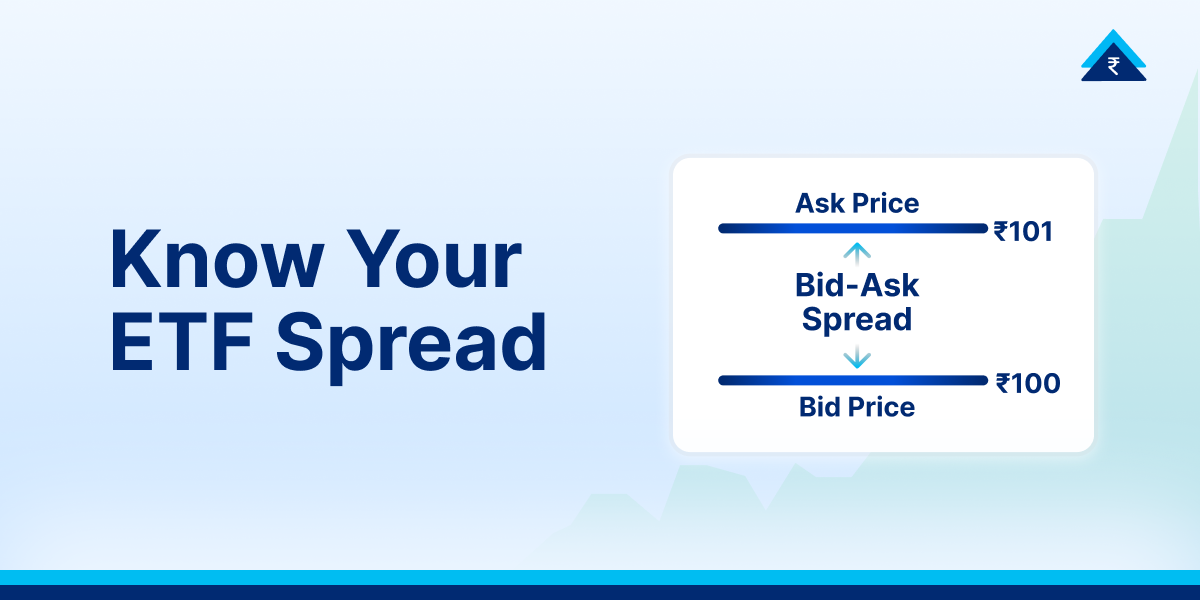
The very same thing happens with International ETFs in India. An ETF might be worth ₹165 based on its i-NAV, yet investors happily pay ₹195 or even ₹200 simply because that is the going market price. When this gap grows too wide, you are shouldering an extra risk that has nothing to do with how the US market is actually performing.
MAFANG ETF: A Real Example
Take the Mirae Asset NYSE FANG+ ETF, better known as MAFANG. Here is a snapshot of just how far price and value can drift apart.
| Measure | Value |
|---|---|
| Current Market Price (CMP) | ₹207.50 |
| i-NAV (fair value) | ₹171.80 |
| Extra paid per unit | ₹35.70 |
| Premium over fair value | About 21% |
Note: These figures are a snapshot taken at around 11:51 AM on August 6, 2026 and will keep changing through the trading sessions.
So at that moment, investors buying MAFANG were paying nearly ₹35.70 more per unit, roughly 21% above the ETF’s indicative value.
Why does such a premium appear? A few reasons tend to stack up:
- Strong demand for the ETF
- Fresh creation of new ETF units may be restricted
- The number of units available to trade is limited
- Many investors simply buy without ever checking the i-NAV
The portfolio itself has not suddenly become 21% more valuable. The market price has just raced ahead of the actual worth of the ETF’s assets.
Now imagine US technology stocks stay flat for a few weeks. If that premium fades, the ETF price could slide back towards its i-NAV, even though the underlying companies have not dropped at all. This baffles plenty of investors. They wonder, “The Nasdaq barely moved. So why is my ETF falling?” The usual answer is a shrinking premium over i-NAV. Liquidity in the international ETF plays its part here too.
(Source: NSE)
Why Does This Difference Happen?
On top of the usual quirks that domestic ETF carry, international ones face extra operational hurdles. Indian mutual funds investing abroad must stay within overseas investment limits laid down by the RBI and SEBI.
When those industry-level or AMC-level limits are reached, fund houses may pause fresh subscriptions or find themselves unable to create new units. Supply on the exchange dries up while demand keeps climbing. With many buyers and very few sellers, prices get pushed above fair value, creating a premium to i-NAV. The opposite is equally true. If investors rush to sell, the ETF can trade below i-NAV, at a discount. Both outcomes are worth weighing up before you invest.
RBI Rules Every International ETF Investor Should Know
Many people assume an ETF’s price is always justified. In reality, overseas investing is fenced in by RBI and SEBI regulations. The headline limits look like this:
| Limit | Amount |
|---|---|
| Total overseas investment, Indian mutual fund industry | $7 billion |
| Sub-limit for overseas ETFs | $1 billion |
| AMC-Specific Limit | $1 billion |
Once any of these ceilings is hit, fresh investment or unit creation can be suspended until more headroom opens up. These rules exist to control overseas exposure and protect India’s foreign exchange position, yet they can indirectly nudge ETF prices in the secondary market.
Are International ETFs a Good Investment?
Yes, international diversification remains a sound idea. Holding companies such as Apple, Microsoft or Nvidia can balance out a portfolio that leans heavily on Indian stocks.
The key is not to fixate on the traded price alone. Before you buy, run through this quick checklist:
- i-NAV
- Premium or discount to i-NAV
- Liquidity
- Trading volumes
Buy an ETF sitting 15% to 20% above fair value and you start on the back foot straight away. That premium can evaporate later, even if the underlying companies perform well.
Points to Remember Before Investing in an International ETF
International ETFs give Indian investors an easy door into global markets, yet they carry a wrinkle that domestic ETFs rarely do: the number on your screen is not always the true value of the ETF.
A quick i-NAV check before you place an order can spare you an unnecessary premium. Keep these three things in mind:
- A rising ETF price does not always mean global stocks are rising
- A falling ETF price does not always signal weakness in overseas markets
- Sometimes it is simply the premium to i-NAV widening or narrowing
For smart ETF investing, do not track the price on its own. Weigh it against the i-NAV every single time. That one extra tick can make you a far better informed investor and help you avoid overpaying for International ETFs in India.
Conclusion
International ETFs can be an effective way to diversify beyond the Indian market, but understanding how they are priced is just as important as choosing the right fund. Checking the i-NAV, monitoring premiums or discounts, and paying attention to liquidity can help you make more informed investment decisions and avoid paying more than an ETF is worth.
Once you understand these factors, investing in global markets becomes a more confident and disciplined process. If you are ready to explore International ETFs, you can conveniently discover and invest in them through the Paytm Money app.
Disclaimer: Investments in the securities market are subject to market risks. Read all the related documents carefully before investing. This content is purely for informational purposes only and should not be considered as investment advice or a recommendation. Securities quoted are for illustration purposes only and not recommendatory. Investors are requested to do their own due diligence before investing.
Paytm Money Ltd. SEBI Reg. No. Broking – INZ000240532; Depository Participant – IN – DP – 416 – 2019, Depository Participant Number: CDSL – 12088800. Trading and clearing member of NSE (90165, M52073), BSE (6707), MCX (57525), NCDEX (1315, M51110), and MSEI (85300). SEBI Reg. No. Research Analyst – INH000020086. Regd. Office: 136, 1st Floor, Devika Tower, Nehru Place, Delhi – 110019. For complete Terms & Conditions and Disclaimers visit: https://www.paytmmoney.com/stocks/policies/terms