



If you’re new to the stock market, you’ve definitely heard people talk about F&O trading. It frequently appears sophisticated, fast-paced, and slightly terrifying. But it does not have to be.
In this beginner guide, we break down F&O trading in simple language, what it means, how it works, and what you should know before getting started in 2026.
What Is F&O Trading?
F&O trading stands for futures and options trading, a segment of the stock market where traders buy and sell derivative contracts instead of actual shares. A derivative is a financial contract whose value is linked to an underlying asset. That underlying asset could be:
- A stock (like Reliance or TCS)
- An index (like Nifty or Sensex)
Unlike equity investing, where you own shares, f&o trading involves trading contracts based on price movements. That’s the basic idea.
Understanding Futures
A futures contract is an agreement to acquire or sell an item at a defined price on a future date. Both the buyer and seller are required to execute the contract when it expires.
For example: Invest in a futures contract if you feel a stock trading at ₹1,000 will climb. If the price reaches ₹1,050, you make a profit. However, if the price falls, losses can accumulate because futures are leveraged products. In simple terms, futures allow you to take larger exposure with margin instead of paying the full amount upfront.
Understanding Options
Options work differently. An options contract gives the buyer the right, but not the obligation, to buy or sell at a specific price before expiry.
There are two types:
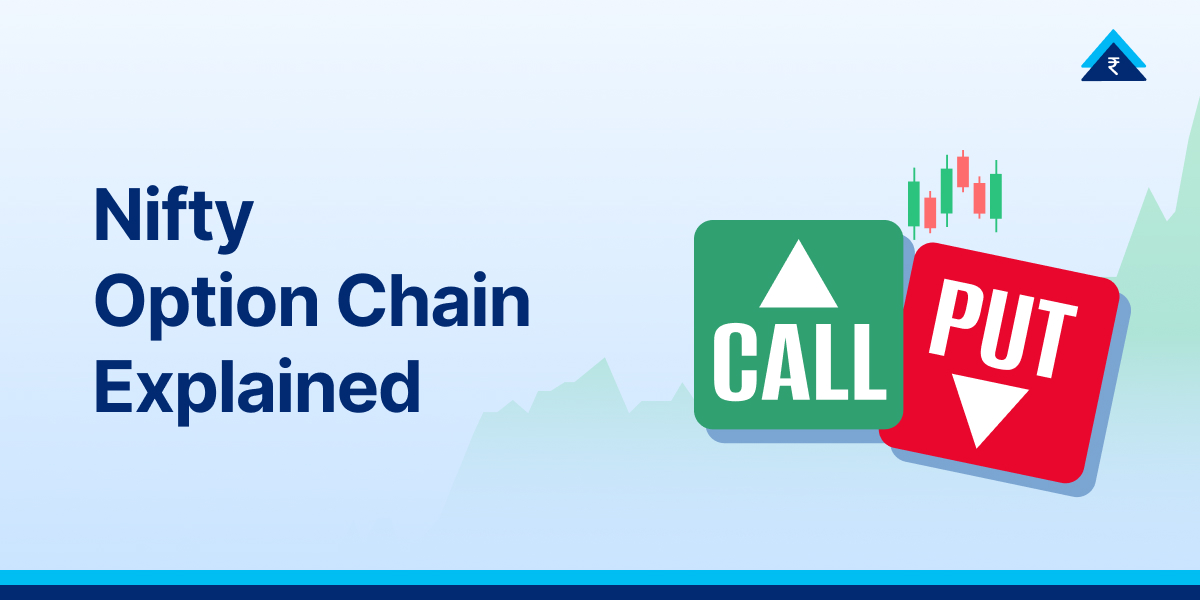
- Call Option – Right to buy
- Put Option – Right to sell
In futures and options trading, options are popular among beginners because the maximum loss (for option buyers) is limited to the premium paid.
For example, if you buy an option for ₹20 premium, your maximum loss is ₹20 per unit, even if the market moves sharply against you. That defined risk structure is why many new traders begin with options.
Why Do Traders Choose F&O?
There are three main reasons why f&o trading attracts active participants:
1. Leverage
You can control larger positions by paying margin instead of full value.
2. Two-Way Opportunities
You can take both bullish and bearish positions easily.
3. Hedging
Investors use derivatives to protect their long-term stock portfolios during volatile periods known as Hedging. However, leverage also increases risk. That’s why discipline and analysis matter more in F&O than in cash market investing.
What Makes F&O Risky?
While F&O trading explained in theory sounds simple, real markets move fast.
Risks include:
- Margin calls
- Time decay in options
- Sudden volatility spikes
- Expiry pressure
- Liquidity gaps
Because contracts have expiry dates, timing plays a crucial role. That’s why understanding market behaviour is essential before entering trades.
How Beginners Should Approach F&O Trading
If you are new to f and o trading, consider these practical steps:
- Start with small position sizes
- Understand lot sizes before trading
- Learn how margin works
- Avoid over-leverage
- Focus on risk-defined trades
Many newcomers to high-frequency trading do so without comprehending the risks involved. That generally results in needless losses. Instead, treat your early months as a learning phase.
Why Analysis Matters in F&O
Successful futures and options trading is rarely random.
Traders typically analyse:
- Price trends
- Open interest build-up
- Volume patterns
- Support and resistance levels
- Volatility behaviour
Structured techniques are very effective in this situation.
Traders may use Market Depth & Advanced Charts on Paytm Money to monitor real-time demand and supply, use technical indicators, and analyze price activity before executing a trade. Instead of moving between various platforms, everything is displayed in one location, which eliminates hasty judgments.
Having liquidity visibility through market depth also helps avoid entering trades with wide bid–ask spreads.
Is F&O Suitable for Long-Term Investors?
Not necessarily. F&O trading is more suitable for active traders, short-term participants, and investors hedging positions. Long-term wealth building is often achieved through disciplined equities investment, but derivatives are best suited for organized short-term plans. Understanding that difference helps set the right expectations.
Conclusion
At its essence, F&O trading involves partaking in price changes through contracts rather than ownership. When correctly understood, it provides flexibility, leverage, and strategic benefits. However, without discipline and research, it may rapidly become dangerous.
If you’re beginning your journey, focus on learning before scaling exposure. And when you’re ready to analyse markets more systematically, Explore F&O tools on Paytm Money and use real-time market depth along with advanced charting to support more informed trading decisions.
Disclaimer: Investments in the securities market are subject to market risks, read all the related documents carefully before investing. This content is purely for information purpose only and in no way to be considered as an advice or recommendation. The securities are quoted as an example and not as a recommendation.
Investors are requested to do their own due diligence before investing. Paytm Money Ltd SEBI Reg No. Broking – INZ000240532, Depository Participant – IN – DP – 416 – 2019, Depository Participant Number: CDSL – 12088800, NSE (90165), BSE (6707) Regd Office: 136, 1st Floor, Devika Tower, Nehru Place, Delhi – 110019. For complete Terms & Conditions and Disclaimers visit: https://www.paytmmoney.com/stocks/policies/terms .